
Malta’s Shared Accommodation Market in 2025: Navigating New Rules and Rising Demand
Malta’s economy continues to expand rapidly, particularly across finance, gaming, tourism, and technology
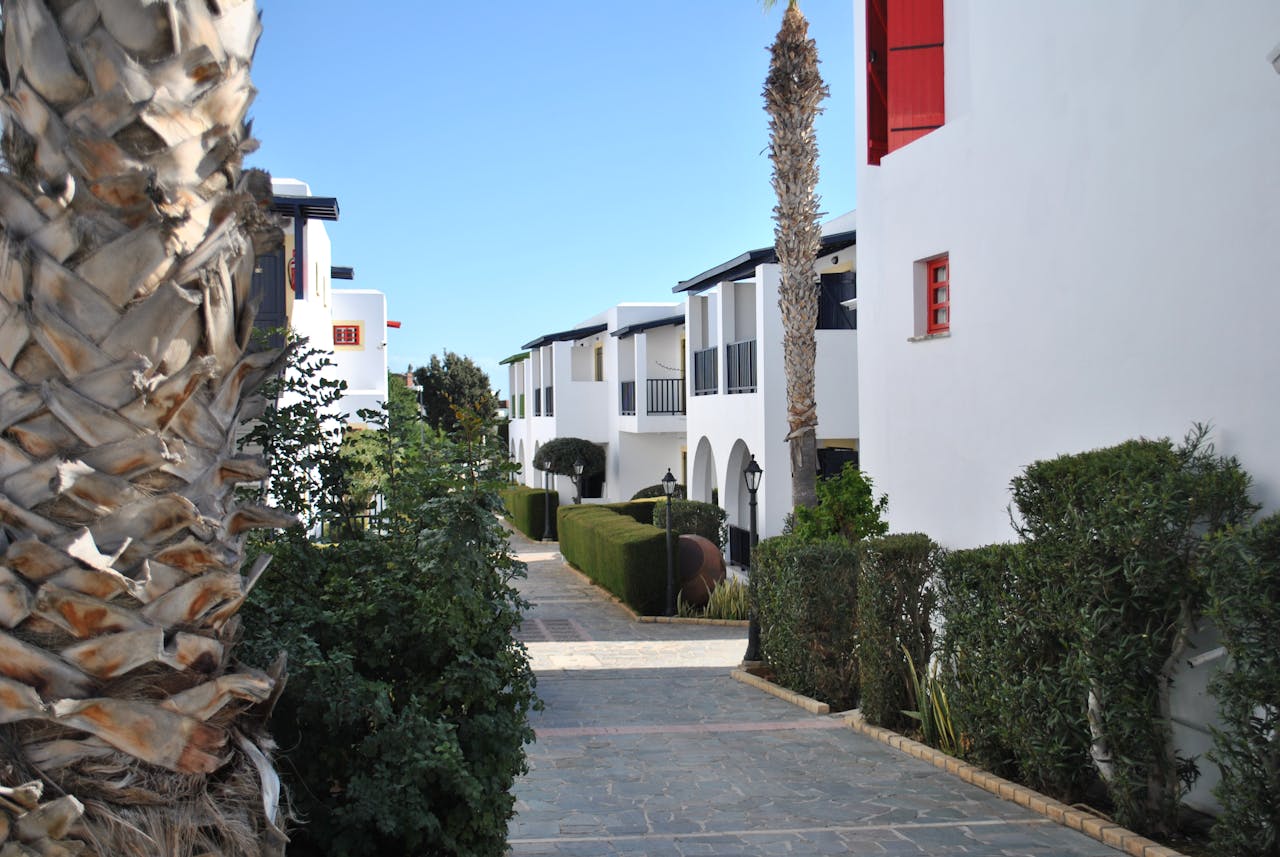
The Maltese shared accommodation market is entering a defining phase in 2025. What was once an unregulated, overcrowded rental niche is now being reshaped by firm government intervention. New rules introduced in late 2024 have made compliance a central part of doing business for landlords, transforming the sector into a formally recognized part of Malta’s Private Residential Leases (PRL) market.
The key turning point comes from newly enforced occupancy limits designed to curb excessive crowding and poor living conditions. Properties now face maximum tenant thresholds, backed by financial penalties of up to €10,000 for non-compliance. This change aims to stabilize rental standards but is also likely to push prices upward within compliant segments, especially as supply tightens due to the removal of overcrowded listings from the market.
Demand Pressure Driven by Economic Growth
Malta’s economy continues to expand rapidly, particularly across finance, gaming, tourism, and technology. Residency initiatives like the Nomad Residence Permit have strengthened the inflow of foreign workers, ensuring that demand for rental properties remains high.
However, for many lower-income workers, renting an entire apartment is financially impossible. The average one-bedroom property in central areas such as Valletta, Sliema, or St. Julian’s costs between €1,200 and €2,000 per month in 2025. By comparison, the median foreign worker’s gross income—around €1,375 per month—would see over 60% of earnings spent on rent alone.
This affordability gap has made shared flats a structural necessity rather than a lifestyle choice. A private room in a shared apartment generally costs between €400 and €800 monthly, while shared rooms or dorm-style arrangements can drop as low as €200 to €250. For thousands of Malta’s service workers, these are the only feasible options.
The situation is intensified by Malta’s reliance on a transient, foreign workforce. Many international employees stay on the island for fewer than four years, with roughly half departing after two. This constant turnover sustains pressure on the short-lease and room-rental sectors, ensuring that shared accommodation remains one of Malta’s most active and indispensable housing types.
Understanding the Affordability Gap
Even outside Malta’s major urban centres, the cost of a one-bedroom apartment typically ranges between €680 and €750 per month—still a substantial burden for those on modest incomes. By contrast, sharing accommodation reduces monthly living costs by several hundred euros, making it the only realistic housing model for many workers and students.
The financial logic is simple: shared housing provides access to Malta’s expensive urban zones without the unsustainable expense of private tenancy. For as long as median wages remain out of step with the rental market, demand for shared spaces will remain intense.
The New Compliance Era
The most transformative legal reform for 2025 is the government’s strict new occupancy regulation. Reports of extreme overcrowding—such as properties in Sliema housing up to 40 tenants—spurred the introduction of a maximum limit of ten residents per property.
The rules, effective from the end of October 2024, also mandate minimum ratios of bedrooms to bathrooms. For example, larger properties with four or more bedrooms must provide at least two bathrooms if housing between eight and ten tenants. These measures aim to improve living standards and end the so-called “bunkbed economy” that previously operated unchecked.
Landlords who breach these limits now face fines of up to €10,000 and potential prosecution. These restrictions, however, do not apply to family homes, which remain exempt from the cap.
Professional Landlords and Legal Obligations
The new rules make compliance a business imperative. Under the updated Private Residential Leases Act, every lease contract must be registered with the Housing Authority within ten days of its start date. Crucially, landlords must now declare the exact number of occupants on the registration form. Any discrepancy found during inspection—such as undeclared additional tenants—immediately exposes the landlord to penalties.
Contracts must also include a detailed property inventory signed by both parties. Although landlords are no longer required to disclose the security deposit within the registration, they must retain the inventory to handle disputes through the Adjudicating Panel.
Managing Risk and Avoiding Discrimination
Malta’s rental market remains delicate, balancing legal compliance with ethical management. Some landlords historically avoided renting to Maltese citizens due to fears rooted in older rent-control laws, while others have discriminated against specific foreign nationalities. However, the new legal framework provides a more effective and transparent way to reduce risk—by enforcing occupancy caps rather than excluding potential tenants.
To support this professional approach, the Housing Authority maintains a Register of Defaulters, listing both tenants and landlords who have breached obligations. This offers property owners a valuable resource for tenant vetting while maintaining fairness in the marketplace.
Subletting, Rent Increases, and Lease Terms
Subletting is permitted only with explicit consent from the main landlord, and any sublease must be registered to comply with the PRL Act. While landlords remain free to set prices for new leases, rent increases for renewed long-term contracts (two years or more) are legally capped at 5% annually.
This regulation creates a degree of stability and predictability for both investors and tenants. Utilities, as always, are to be paid either directly by tenants or pro rata through the landlord, depending on the agreement.
Notably, owners under the Malta Permanent Residence Programme (MPRP) can now rent out their qualifying properties temporarily during periods of absence, a change that enhances the flexibility of high-value property investment.
Investment Outlook for 2025 and Beyond
The convergence of strict occupancy limits and sustained demand marks a pivotal moment for Malta’s shared accommodation market. The government’s intervention will reduce overcrowding but also contract the supply of ultra-low-cost housing. This will likely push prices higher for compliant shared units, reinforcing the need for professional, legally sound property management.
Landlords who adapt quickly—conducting compliance audits, registering all tenants properly, and ensuring the correct number of bathrooms per occupancy level—will be best positioned to thrive. Those who fail to adjust risk significant financial penalties and potential reputational damage.
Investors should also consider targeting longer-term leases to reduce administrative overhead caused by high tenant turnover. Properties designed for corporate tenants or digital nomads, offering well-managed and fully compliant shared living spaces, are likely to become the most profitable and sustainable investments in the coming years.
The Bottom Line
Malta’s shared accommodation sector is no longer a grey market. In 2025, it stands as a regulated and professionalized segment essential to the island’s economic stability. The combination of wage pressures, rising demand, and stringent legal standards means that success in this space now depends on one thing above all else—compliance.
Landlords who embrace transparency, technology, and proper management practices will not only avoid penalties but also tap into one of Malta’s most resilient and necessary real estate niches.