
Beyond Residential: Tips for Selling Land and Warehouses in Malta
If you own land or a warehouse in Malta and are looking to sell, here are essential tips to help you attract the right buyers and secure a successful deal.
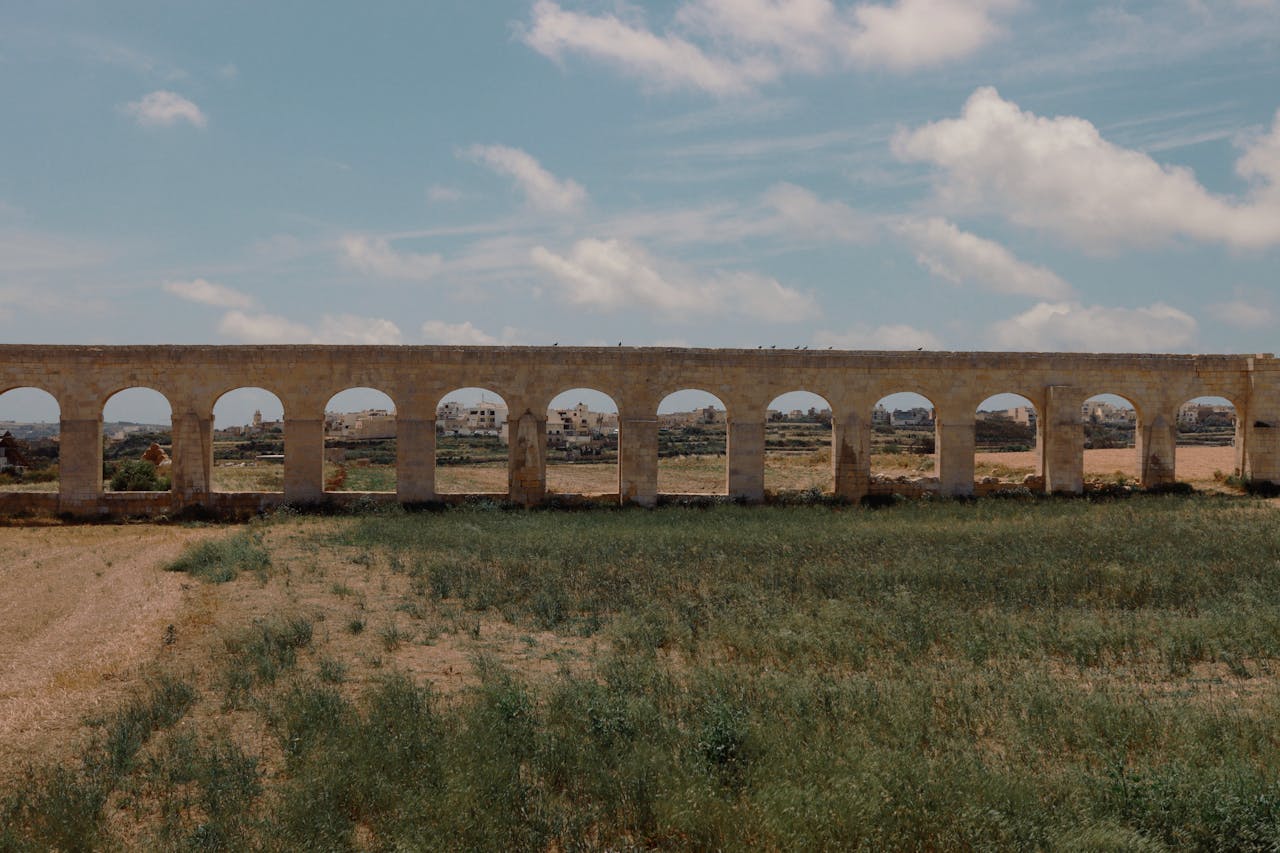
While much of the property market buzz in Malta revolves around residential homes and apartments, the commercial and industrial sectors – particularly land and warehouses – represent a crucial and often lucrative segment. Selling these types of properties requires a different approach than a typical residential sale.
If you own land or a warehouse in Malta and are looking to sell, here are essential tips to help you attract the right buyers and secure a successful deal.
1. Understand Your Asset's True Potential (and Limitations)
Unlike a home, the value of land or a warehouse is heavily tied to its permissible use and development potential.
Zoning & Permits: This is paramount. What is the land zoned for (residential, commercial, industrial, agricultural)? Are there any existing permits for development or construction? A land plot with approved plans for a block of apartments or a warehouse with permits for expansion will command a higher price.
Existing Structures: For warehouses, provide details of the structure: ceiling height, loading bay access, office space, utilities (three-phase electricity?), fire safety systems, and floor load capacity.
Access & Infrastructure: Is the land easily accessible by main roads? What is the condition of surrounding infrastructure? For warehouses, consider lorry access and parking facilities.
Environmental Factors: Are there any environmental restrictions or geological surveys available for the land?
2. Prepare Comprehensive Documentation
Buyers of commercial assets are typically very detail-oriented. Having all documentation ready from the outset can significantly speed up the process.
Site Plans & Surveys: Up-to-date plans are essential.
Permit History: A detailed log of all planning permits (PA numbers) and compliance certificates.
Utility Connections: Proof of water, electricity, and sewage connections.
Encumbrances: Any servitudes, rights of way, or other third-party interests affecting the property.
Valuation Reports: While you might have your own idea of value, an independent valuation from an architect/surveyor can lend credibility.
3. Identify Your Target Audience
The buyer for a piece of agricultural land is vastly different from a buyer for a commercial warehouse in an industrial estate.
Land Buyers: Could be developers (residential, commercial), farmers, or individuals looking for recreational plots.
Warehouse Buyers: Typically businesses needing storage, logistics companies, manufacturing operations, or possibly investors looking to rent out.
Showcase "Future Potential": For land, focus on what can be built. For a warehouse, highlight its suitability for specific industries or its rental yield potential.
4. Strategic Marketing
Your marketing efforts need to be targeted.
Specialised Platforms: While PrivateProperty.mt lists various properties, consider also utilising platforms that focus on commercial or industrial real estate in Malta.
Detailed Descriptions: Go beyond basic features. For land, mention permissible footprint, floor area ratio (FAR), and potential development scenarios. For warehouses, detail technical specifications.
High-Quality Visuals: Include clear photos, possibly drone footage for land plots to show scale and surroundings, and floor plans for warehouses.
Networking: Reach out to commercial real estate agents (even if just for advice), business associations, and legal firms that deal with commercial transactions.
5. Engage Professionals Early
While you might choose to manage the sale privately, certain professionals are indispensable for selling land or warehouses.
Notary Public: Essential for the legal transfer, title searches, and handling taxes.
Architect/Perit: Invaluable for understanding zoning laws, permit processes, potential development, and providing technical advice. They can help prepare accurate plans and ensure compliance.
Lawyer: Especially for complex commercial deals, legal counsel can review contracts and protect your interests.
6. Be Prepared for Longer Timelines
Commercial property sales, especially those involving land with development potential, often take longer than residential sales due to:
Complex Due Diligence: Buyers will conduct extensive checks on permits, zoning, and title.
Financing: Commercial loans can be more intricate and take longer to secure.
Negotiations: Deals can involve multiple stakeholders and more detailed terms.
Selling land or a warehouse in Malta can be a highly rewarding process, given the specific demands and value of such assets. By focusing on thorough preparation, understanding your market, and leveraging the right expertise, you can navigate the sale effectively and achieve your desired outcome.